From Dirt Track Disaster to A-Main Glory
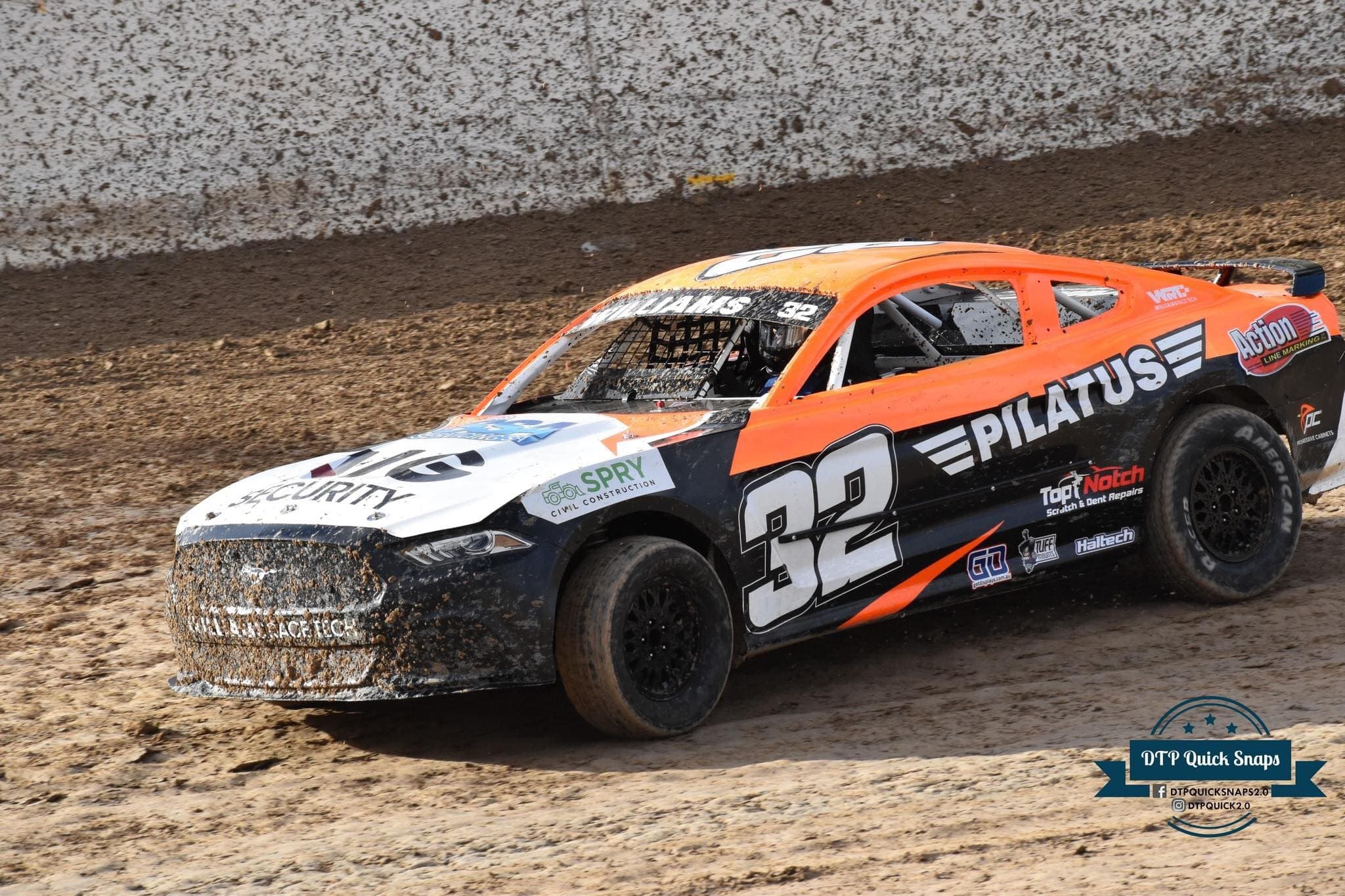
From Dirt Track Disaster to A-Main Glory: How Setup Genius Transformed a Modified Sedan in One Season
When Brett Williams rolled his Ford Mustang Modified Sedan into the pits at Murray Bridge Speedway for the first time, veteran racers shook their heads in sympathy. The car was a classic example of what happens when good intentions meet poor setup—it pushed through every corner like a freight train, refusing to bite into the clay surface despite having all the right components. Just twelve months later, that same Mustang would be lining up for A-Main in the Australian Title, proving that systematic setup methodology can transform any dirt track warrior from backmarker to contender.
The Harsh Reality of Dirt Track Racing
Modified Sedans represent the blue-collar backbone of Australian speedway racing. These purpose-built machines, running 358 cubic inch engines and weighing in at 1,200kg, demand precision setup to handle the constantly changing dirt surface conditions. Brett's Mustang looked the part with its aggressive stance and professional appearance, but looks mean nothing when you're fighting the car through every corner.
The problems were immediately apparent during Brett's first practice session at Murray Bridge. The car suffered from chronic understeer that made it impossible to run the preferred inside line through the corners. While other drivers could dive to the bottom of the track and drive off the turns, Brett's Mustang would push up the banking, losing crucial ground on every lap.
"I'd roll into turn one behind a group of cars and come out of turn two looking at their tail pipes disappearing into the distance. The car just wouldn't turn—it was like driving on ice," Brett recalls of those early sessions.
The frustration extended beyond practice sessions. In heat races, Brett found himself starting dead last after qualifying times that were 1-2 seconds off the pace. At tracks like Mildura and Ballarat, where track position is everything, this meant spending entire nights racing against the same group of strugglers rather than progressing toward the main events.
Understanding the Modified Sedan Challenge
The Unique Demands of Dirt Track Racing
Modified Sedans present setup challenges that are unique in Australian motorsport. Unlike tarmac racing where conditions remain relatively consistent, dirt tracks change dramatically throughout the night. Early in the evening, the track might be heavy and tacky, requiring one setup approach. By A-Main time, the surface could be slick and dry, demanding completely different characteristics.
The cars themselves are purpose-built for these conditions. Running on 15-inch wheels with specially compounded dirt track tyres, Modified Sedans rely on mechanical grip rather than aerodynamic downforce. Weight distribution becomes critical, as does the car's ability to transfer load effectively during cornering.
The Setup Fundamentals That Make or Break Performance
Brett's Mustang exhibited all the classic symptoms of poor dirt track setup. The car's weight distribution was wrong for the surface, the suspension geometry fought against proper weight transfer, and the spring rates created handling characteristics that made competitive lap times impossible.
The most critical issues included:
- Excessive rear bite: Too much rear grip made the car push through corners
- Wrong weight distribution:
56/44front-to-rear split was too front-heavy for dirt track racing - Mismatched spring rates:
175 lb/infront springs with225 lb/inrears created the wrong balance - Incorrect ride heights: Car sat too low, reducing suspension travel needed for dirt track conditions
The Setup Genius Methodology: Science Meets Dirt Track Wisdom
Step 1: Baseline Data Collection
The transformation began with comprehensive measurement of every critical parameter. Using portable scales brought to Murray Bridge Speedway, the Setup Genius team established baseline data that revealed the extent of the car's problems.
The initial measurements painted a clear picture:
- Cross-weight:
47.8%(optimal for dirt is52-54%) - Left rear weight:
385kg - Right rear weight:
295kg - Front weight percentage:
56% - Rear ride height:
100mm(too low for dirt track racing)
These numbers explained everything. The car's weight distribution was fundamentally wrong for dirt track racing, where drivers need to be able to transfer weight to the rear wheels for drive off the corners. The low cross-weight percentage meant the car would never rotate properly, regardless of driving technique.
Step 2: The Systematic Transformation
Rather than making random adjustments based on feel, the Setup Genius team attacked the problems methodically. Each change was measured, tested, and validated before moving to the next adjustment.
Weight Distribution Revolution: The first major change involved redistributing the car's weight to suit dirt track racing. Lead ballast was moved from the front to the rear, achieving a more appropriate 52/48 front-to-rear split. More importantly, the cross-weight was increased to 53.2% by raising the left rear and lowering the right rear corner weights.
Spring Rate Rebalancing: The original spring combination was completely wrong for dirt track racing. The team moved to 150 lb/in front springs and 175 lb/in rear springs, creating a softer overall package that could work with the changing track conditions while maintaining proper balance.
Suspension Geometry Optimization: Ride heights were adjusted to provide proper suspension travel. The rear of the car was raised to 125mm, giving the suspension room to work over the rough dirt surface. Front ride height was set to 75mm, creating the rake angle needed for proper weight transfer.
Step 3: Fine-Tuning for Track Conditions
With the fundamentals corrected, attention turned to the adjustments that would allow Brett to adapt to changing track conditions throughout the night. This included setting up the car's adjustable components for quick changes between sessions.
The final setup included:
- Shock settings: Medium compression with soft rebound to handle track irregularities
- Tyre pressures:
12 psileft rear,14 psiright rear for optimal footprint - Stagger:
2 inchescircumference difference between left and right rear tyres
The Breakthrough: First Night at Murray Bridge
The transformation was immediately apparent during Brett's first practice session with the new setup. The car that had previously pushed through every corner now rotated beautifully, allowing him to run the preferred inside line that faster drivers had been using all along.
The lap times told the story: Brett's first flying lap was 17.8 seconds—nearly a full second faster than his previous best at Murray Bridge. More importantly, the car's handling was predictable and consistent, allowing him to build confidence with each lap.
"It was like someone had switched on a light. Suddenly I could feel what the car was doing, and I could make it do what I wanted. The difference was absolutely incredible," Brett explains.
By the end of the practice session, Brett was running consistent 17.4-second laps, putting him within half a second of the class leaders. For a driver who had previously struggled to break into the 18-second bracket, this represented a quantum leap in performance.
Real-World Results: From Struggler to Contender
The Qualifying Breakthrough
The true test came during Brett's first qualifying session with the transformed setup. At Mildura Speedway, running on a track that had previously been his nemesis, Brett qualified P12 out of 24 cars—a result that earned him a spot in the second heat race rather than the consolation events he'd grown accustomed to.
The qualifying time of 16.9 seconds represented more than just improved performance; it demonstrated that the car was now capable of running competitive times regardless of track conditions. This consistency would prove crucial as Brett progressed through the season.
Heat Race Success
Brett's first heat race with the new setup came at Ballarat Speedway, where he started P8 in a field of quality Modified Sedans. The car's newfound balance allowed him to race wheel-to-wheel with confidence, making moves that would have been impossible with the previous setup.
During the 12-lap heat, Brett gained four positions through superior corner speed and the ability to run multiple lines around the track. His best lap of 16.2 seconds was fast enough to run with the leaders, validating the Setup Genius methodology under race conditions.
The A-Main Achievement
The season's pinnacle came at Murray Bridge during the track's monthly championship event. Brett's consistent qualifying and heat race performances throughout the season had earned him enough points to transfer directly to the A-Main—the first time he'd achieved this feat.
In the 30-lap A-Main, Brett started P18 but quickly began moving forward. The car's balanced handling allowed him to run the inside line consistently, picking off positions as other drivers struggled with handling issues. He finished P12, earning his first championship points and proving that systematic setup methodology could elevate any driver's performance.
The Complete Technical Transformation
Final Setup Specifications
The transformed Mustang featured specifications optimized for Australian dirt track conditions:
Weight Distribution:
- Cross-weight:
53.2% - Front percentage:
52% - Left rear weight:
355kg - Right rear weight:
325kg - Total weight:
1,195kg
Suspension Setup:
- Front springs:
150 lb/in - Rear springs:
175 lb/in - Front ride height:
75mm - Rear ride height:
125mm
Alignment and Geometry:
- Left rear camber:
-3.5° - Right rear camber:
-1.5° - Front caster:
8°left,6°right - Rear toe:
1/8 inchtotal toe-out
Actionable Takeaways for Modified Sedan Racers
The Dirt Track Setup Priority System
Brett's transformation demonstrates that successful dirt track setup follows a specific hierarchy. Australian Modified Sedan racers should address these areas in order:
- Weight distribution first: Achieve proper cross-weight for your track conditions
- Spring rate balance: Softer overall package than tarmac racing
- Ride height optimization: Ensure adequate suspension travel
- Shock tuning: Set for track surface conditions
- Fine-tuning adjustments: Rear bar and tyre pressures for track changes
Track-Specific Considerations
Different Australian speedway tracks require subtle setup variations:
- Murray Bridge: Heavy clay surface—higher cross-weight and softer springs work best
- Mildura: Sandy surface that dries out quickly—adjustable rear bar essential
- Ballarat: Consistent surface—focus on balanced setup rather than extreme adjustments
- Avalon: Abrasive surface—conservative alignment settings preserve tyres
Budget-Friendly Setup Strategies
Modified Sedan racing operates on tight budgets, but setup improvements don't have to break the bank:
- Portable scales: Share costs with other racers—
$2,000split four ways - Basic alignment tools: String and tape measure can provide useful data
- Tyre temperature monitoring: Infrared thermometer (
$100) guides setup decisions - Setup Genius: Track all changes and results for future reference
The Science Behind Dirt Track Success
Why Weight Distribution Matters More on Dirt
Dirt track racing amplifies the importance of proper weight distribution because mechanical grip is everything. Unlike tarmac racing where aerodynamics play a role, Modified Sedans rely entirely on tyre contact patch and weight transfer for performance.
The 53.2% cross-weight in Brett's final setup wasn't arbitrary—it represented the optimal balance for Australian dirt track conditions. This percentage allows the car to rotate on entry while maintaining drive traction off the corners, essential for competitive lap times.
Understanding Track Evolution
Australian dirt tracks change dramatically throughout the night, and successful setup must account for this evolution. Early in the evening, tracks are typically heavy and tacky, requiring one approach. By A-Main time, the surface may be dry and slick, demanding different characteristics.
Brett's setup included provisions for these changes through adjustable components and setup notes that guided quick changes between sessions. This adaptability proved crucial in his transformation from backmarker to A-Main contender.
The Broader Impact: Proving Setup Beats Horsepower
Brett's story demonstrates a fundamental truth in Modified Sedan racing: setup trumps power when it comes to lap times. His Mustang's 358 cubic inch engine remained completely unchanged throughout the transformation, yet the car became over 1.5 seconds faster per lap at Murray Bridge.
This has profound implications for budget-conscious racers. Rather than chasing expensive engine modifications, focusing on suspension setup delivers immediate, measurable improvements that directly translate to better qualifying positions and race results.
The Setup Genius methodology provides amateur racers with the same systematic approach used by professional teams, leveling the playing field in Australian speedway racing where preparation and knowledge can overcome larger budgets.
Looking Forward: Building on Success
Brett's transformation from struggling amateur to A-Main qualifier represents the foundation for continued improvement. With the car now handling predictably, he can focus on racecraft and strategy rather than fighting unbalanced suspension.
The systematic approach also provides a framework for future development. When Brett decides to upgrade components—whether that's shocks, springs, or engine modifications—he has the baseline data and methodology to integrate them effectively without losing the car's hard-won balance.
For Modified Sedan racers inspired by Brett's journey, the message is clear: systematic setup methodology can transform any car from a handling nightmare into a competitive weapon. Whether you're racing at your local track or pursuing state championship glory, the principles remain the same: measure, adjust, test, and repeat.
"Setup Genius taught me that racing isn't about having the fastest car—it's about having the most balanced car. Once you understand that, everything else becomes possible," Brett reflects on his transformation from backmarker to A-Main contender.
Tags
Related Articles
AI Setup Assistant: Expert Racing Knowledge at Your Fingertips
Discover how Setup Genius AI provides class-specific, track-specific setup recommendations for sprint cars, GT cars, touring cars, and karts across Australian venues.
Understanding Aerodynamics: Downforce vs. Drag Balance
Master the art of aerodynamic setup with our comprehensive guide to balancing downforce and drag for optimal track performance.