Mastering Speedway Sedans Setup for Australian Ovals

Mastering Speedway Sedans Setup for Australian Ovals
Speedway sedan racing is a heart-pounding, dirt-flying discipline that demands precision in both setup and driving. Whether you're tearing up the tracks at Parramatta City Raceway or battling it out at Archerfield Speedway, this guide will help you optimize your speedway sedan for maximum performance on Australia's iconic ovals.
The Basics of Speedway Sedan Setup
Speedway sedans are engineered for one thing: dominating oval tracks. Here’s what you need to focus on:
- Chassis: Lightweight tube frame designed for strength and durability.
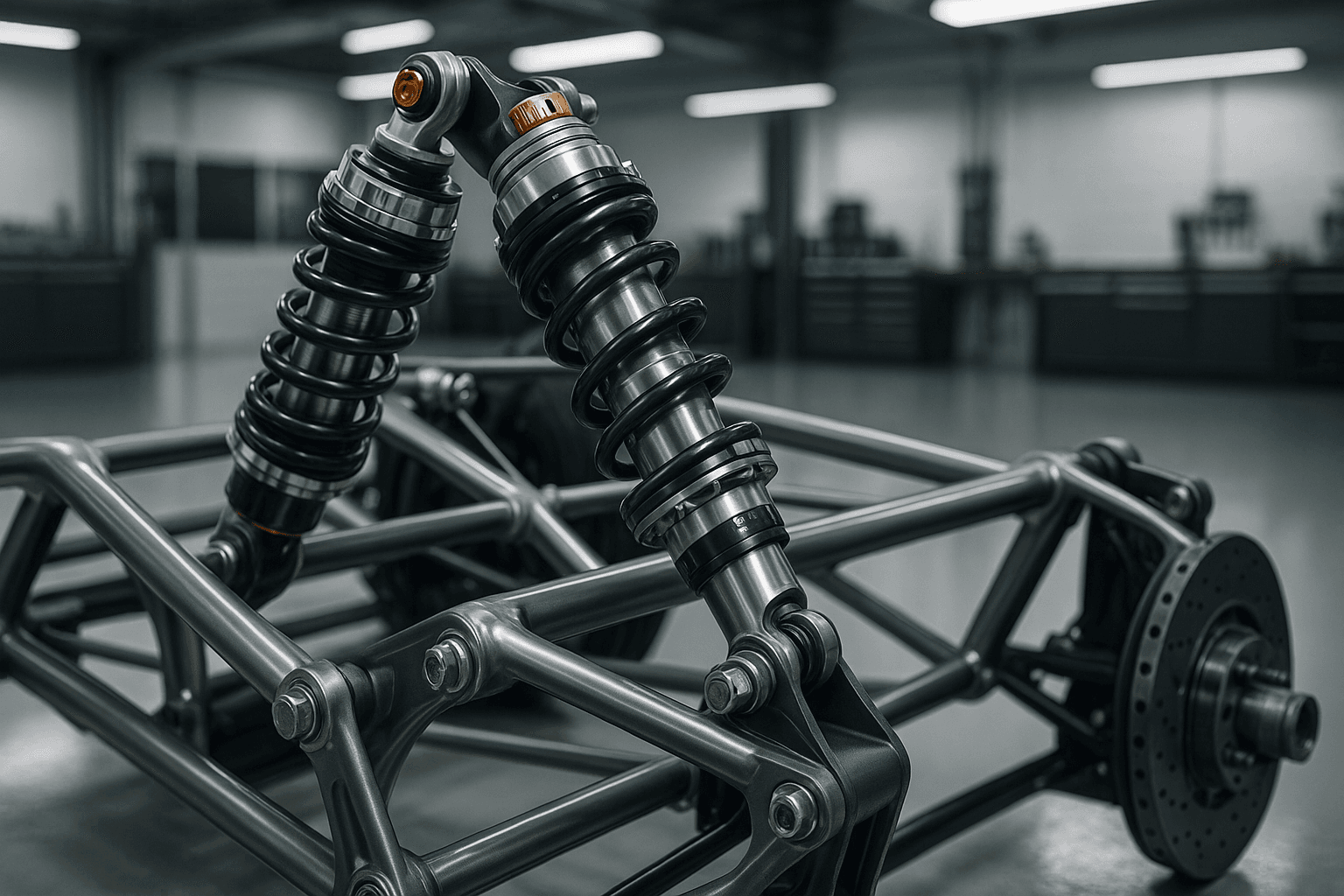
- Suspension: Simple, rugged systems with limited travel to handle high-speed turns.
- Tires: Wide, slick tires for maximum grip on dirt or clay surfaces.
- Engine: High-torque V8 engines delivering rapid acceleration out of corners.
- Brakes: Robust systems, though less critical than in road racing due to natural corner slowing.
Tire Pressures: Finding the Sweet Spot
Tire pressure is the cornerstone of speedway setup, directly affecting grip, wear, and handling.
Starting Point
- Cold Pressure: Begin with
12-14 PSIfor both front and rear tires. This range balances grip and durability.
Adjusting for Track Conditions
- Tacky Tracks (e.g., Parramatta City Raceway): Increase pressure by
1-2 PSIto reduce tire roll and improve stability. - Loose Tracks (e.g., Archerfield Speedway): Decrease pressure by
1-2 PSIto increase the contact patch and enhance grip.
Hot Pressure Considerations
- Target Hot Pressure: Aim for
20-24 PSIwhen tires are up to temperature. This ensures optimal grip without excessive wear. - Monitoring: Use a digital tire pressure gauge to check pressures after every few laps during practice.
Left vs. Right Side Pressures
- Left-Side Tires: Run
1-2 PSIhigher on the left side to compensate for increased wear from constant turning. - Right-Side Tires: Keep pressures slightly lower to balance handling and reduce unnecessary wear.
Reading Tracks: Maximizing Grip and Speed
Understanding the track surface is key to optimizing your setup and driving strategy.
Track Surface Types
- Tacky (High Grip): Smooth, packed surface with high grip levels. Ideal for higher tire pressures and aggressive setups. Example: Parramatta City Raceway after a fresh pack.
- Loose (Low Grip): Surface with loose dirt or clay, offering less grip. Requires lower tire pressures and a more conservative setup. Example: Archerfield Speedway after heavy rain.
- Bumpy: Uneven surface that can upset the car's balance. Adjust suspension to handle bumps without losing grip. Example: Townsville Speedway.
Track-In and Slick Spots
- Track-In: The most grippy part of the track, usually the racing line. Focus on maintaining speed through this area.
- Slick Spots: Areas with less grip, often caused by oil or rubber buildup. Avoid these spots or adjust your line to minimize their impact.
Observing the Track
- Visual Inspection: Walk the track before racing to identify surface conditions, bumps, and potential slick spots.
- Tire Marks: Look for tire marks from other cars to determine the optimal racing line.
- Dust and Debris: Loose dust or debris indicates slippery areas—avoid these during your laps.
Suspension Setup for Speedway Sedans
Suspension setup focuses on maintaining stability and traction through high-speed turns.
Spring Rates
- Front Springs: Use stiffer springs (
300-400 lb/in) to reduce dive under braking and maintain front-end grip. - Rear Springs: Softer springs (
200-300 lb/in) allow the rear to settle, improving traction on exit.
Shock Absorbers
- Compression and Rebound: Adjust shocks to control weight transfer. Stiffer compression reduces chassis roll, while softer rebound improves bump compliance.
- Starting Point: Begin with
4 clicksof compression and6 clicksof rebound, then fine-tune based on track conditions.
Anti-Roll Bars
- Front Anti-Roll Bar: Stiffer bars (
2 turns) reduce body roll and improve turn-in. - Rear Anti-Roll Bar: Softer bars (
1 turn) allow more rear movement, enhancing traction on corner exit.
Weight Distribution and Stability
- Left-Side Weight Bias: Aim for
52-54%left-side weight to compensate for constant left turns. - Ballast Placement: Use ballast to fine-tune weight distribution. Place it low and toward the left side for optimal stability.
Driver Techniques for Speedway Racing
- Smooth Inputs: Avoid abrupt steering, throttle, or brake inputs to maintain traction.
- Consistent Line: Stick to the racing line (track-in) for maximum grip and speed.
- Weight Transfer Awareness: Use weight transfer to your advantage, especially when accelerating out of corners.
Common Mistakes to Avoid
- Over-Adjusting Tire Pressures: Small changes (
1-2 PSI) have a significant impact—avoid large adjustments. - Ignoring Track Conditions: Failing to adapt to changing track surfaces can result in poor performance.
- Neglecting Weight Distribution: Improper weight bias can lead to instability and reduced grip.
Pro Tips for Australian Speedway Racers
- Practice Starts: Perfect your starts by practicing smooth throttle application to avoid wheel spin.
- Tire Management: Monitor tire wear and temperatures to maximize grip throughout the race.
- Track Walk: Regularly walk the track to identify changes in surface conditions and adjust your setup accordingly.
Actionable Takeaways
- Start with Baseline Pressures: Begin with
12-14 PSIcold and adjust based on track conditions. - Monitor Hot Pressures: Aim for
20-24 PSIwhen tires are up to temperature. - Observe the Track: Walk the track to identify surface conditions and adjust your setup accordingly.
- Fine-Tune Suspension: Adjust springs, shocks, and anti-roll bars to balance stability and traction.
- Optimize Weight Distribution: Use ballast to achieve a
52-54%left-side weight bias.
Conclusion
Speedway sedan racing is as much about setup as it is about driving skill. By mastering tire pressures, reading tracks, and fine-tuning your suspension, you can extract every ounce of performance from your car on Australia's iconic ovals.
"Speedway racing is a battle of inches—every setup tweak and track observation can make the difference between winning and losing."
Ready to dominate the oval? Start with a solid setup, observe the track, and refine your technique. The checkered flag awaits!
Tags
Related Articles
Suspension Setup Basics: Finding the Perfect Balance
Learn the fundamentals of suspension tuning and how to achieve the perfect balance between comfort and performance for your racing setup.

Wet Weather Setup: Mastering Rain Racing
Essential setup changes and driving techniques for wet weather racing conditions to maintain competitive lap times.
Brake Balance Tuning: Stopping Power and Stability
Learn how to fine-tune your brake balance for maximum stopping power while maintaining vehicle stability under heavy braking.