Tire Pressure Optimization for Different Track Conditions
Mastering Tire Pressure Optimization for Australian Racing
Whether you're tackling the high-speed straights of Bathurst or the technical corners of Albert Park, tire pressure optimization is crucial for racing setup in Australia. Proper tire pressure directly impacts grip, tire wear, and lap times. This guide provides actionable insights tailored to Australian tracks and conditions, ensuring you maximize motorsport performance and car tuning efforts.
Why Tire Pressure Matters in Racing
Tire pressure determines the contact patch—the area where the tire meets the track, typically measured in mm². It also influences tire temperature and vehicle handling. In Australian racing, where tracks like Phillip Island demand both high-speed stability and precise cornering, getting tire pressure right is essential for race car tuning.
Key Factors Influencing Tire Pressure
Optimizing tire pressure requires considering:
- Track Temperature: Australian tracks like Sydney Motorsport Park can see temperatures ranging from
15°Cto40°C, affecting tire pressure. - Track Surface: Smooth surfaces (e.g., Albert Park) vs. abrasive surfaces (e.g., Winton) require different pressure settings.
- Racing Discipline: Circuit racing, drifting, or rallying in Australia each have unique demands.
- Tire Compound: Softer compounds may require lower pressures than harder ones.
Step-by-Step Guide to Tire Pressure Optimization
1. Establish a Baseline Pressure
Start with manufacturer recommendations or these general guidelines (in PSI for ease of use in Australia):
- Slicks:
20–25 PSI(cold pressure) for circuit racing. - Radials:
26–32 PSI(cold pressure) for road racing.
2. Adjust for Track Temperature
Modify baseline pressure based on track temperature:
- Cold Track (
<20°C): Add1–2 PSI. - Warm Track (
20–35°C): Use baseline pressure. - Hot Track (
>35°C): Reduce1–2 PSI.
Example: At Bathurst in summer (38°C), reduce pressure by 2 PSI to prevent overheating.
3. Fine-Tune Based on Tire Temperatures
Monitor tire temperatures after sessions. Optimal range: 90–110°C.
- Cold Tires (
<90°C): Reduce pressure by1 PSIto increase grip. - Overheated Tires (
>110°C): Increase pressure by1 PSIto reduce heat buildup.
Example: At Phillip Island, if front tires are 10°C cooler than rears, reduce front pressure by 1 PSI.
4. Adapt to Track Surface
- Smooth Asphalt (e.g., Albert Park): Lower pressures (
-1 PSI) for maximum grip. - Rough Asphalt (e.g., Winton): Higher pressures (
+1 PSI) for durability.
Tire Pressure Optimization for Australian Racing Disciplines
Circuit Racing
- High-Speed Tracks (e.g., Bathurst): Higher pressures (
+1 PSI) for stability in fast corners. - Technical Tracks (e.g., Eastern Creek): Lower pressures (
-1 PSI) for grip in tight corners.
Drifting
- Rear Tires: Lower pressures (
18–20 PSI) for controlled slides. - Front Tires: Higher pressures (
28–30 PSI) for steering precision.
Rallying
- Gravel Stages: Higher pressures (
+3 PSI) to prevent punctures. - Tarmac Stages: Lower pressures (
-1 PSI) for grip on smooth surfaces.
Real-World Examples from Australian Tracks
Bathurst 1000 (Warm Conditions)
Baseline: 24 PSI (slicks). Track Temp: 30°C. Adjustment: Reduced pressure to 22 PSI due to overheating. Result: Improved grip and reduced tire wear, gaining 0.8 seconds per lap.
Phillip Island (Cool Conditions)
Baseline: 23 PSI (slicks). Track Temp: 18°C. Adjustment: Increased pressure to 25 PSI for better warm-up. Result: Enhanced grip in cold corners.
Common Mistakes to Avoid
- Ignoring Track Temperature: Failing to adjust for temperature leads to under/over-inflation.
- Overlooking Tire Temperatures: Not monitoring temps results in inconsistent performance.
- Using Fixed Pressures: Failing to adapt to changing conditions reduces competitiveness.
Pro Tips for Australian Racers
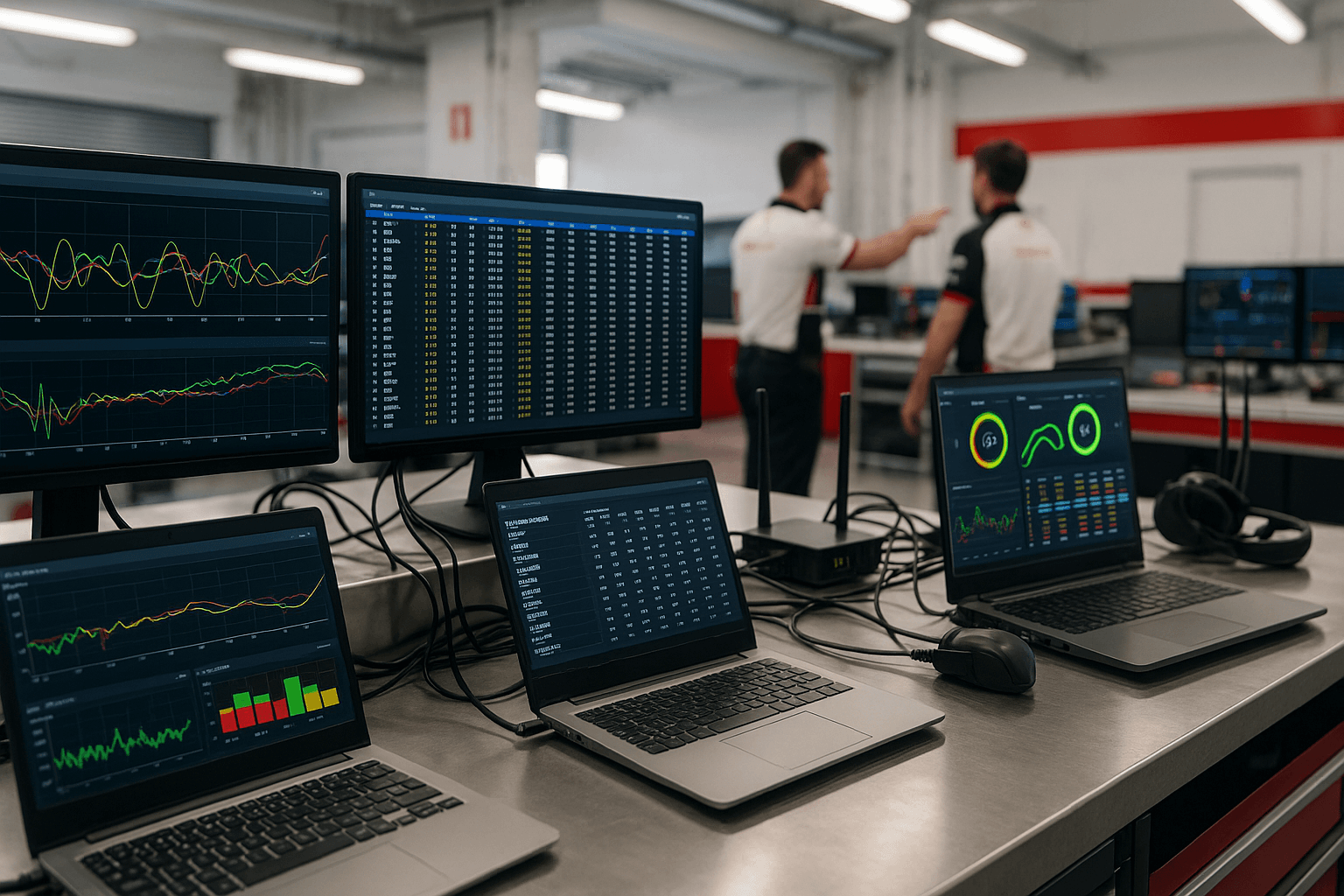
- Use a Tire Pressure Monitoring System (TPMS): Real-time data allows precise adjustments.
- Log Data: Record pressure (
PSI), temperatures (°C), and lap times to identify trends. - Test Incrementally: Change pressure in
1 PSIincrements and evaluate performance.
FAQ: Tire Pressure Optimization
How often should I check tire pressure?
Check tire pressure before each session and monitor temperatures afterward.
Can I use the same pressure for all Australian tracks?
No, adjust pressure based on track temperature, surface, and discipline.
What tools are essential for tire pressure optimization?
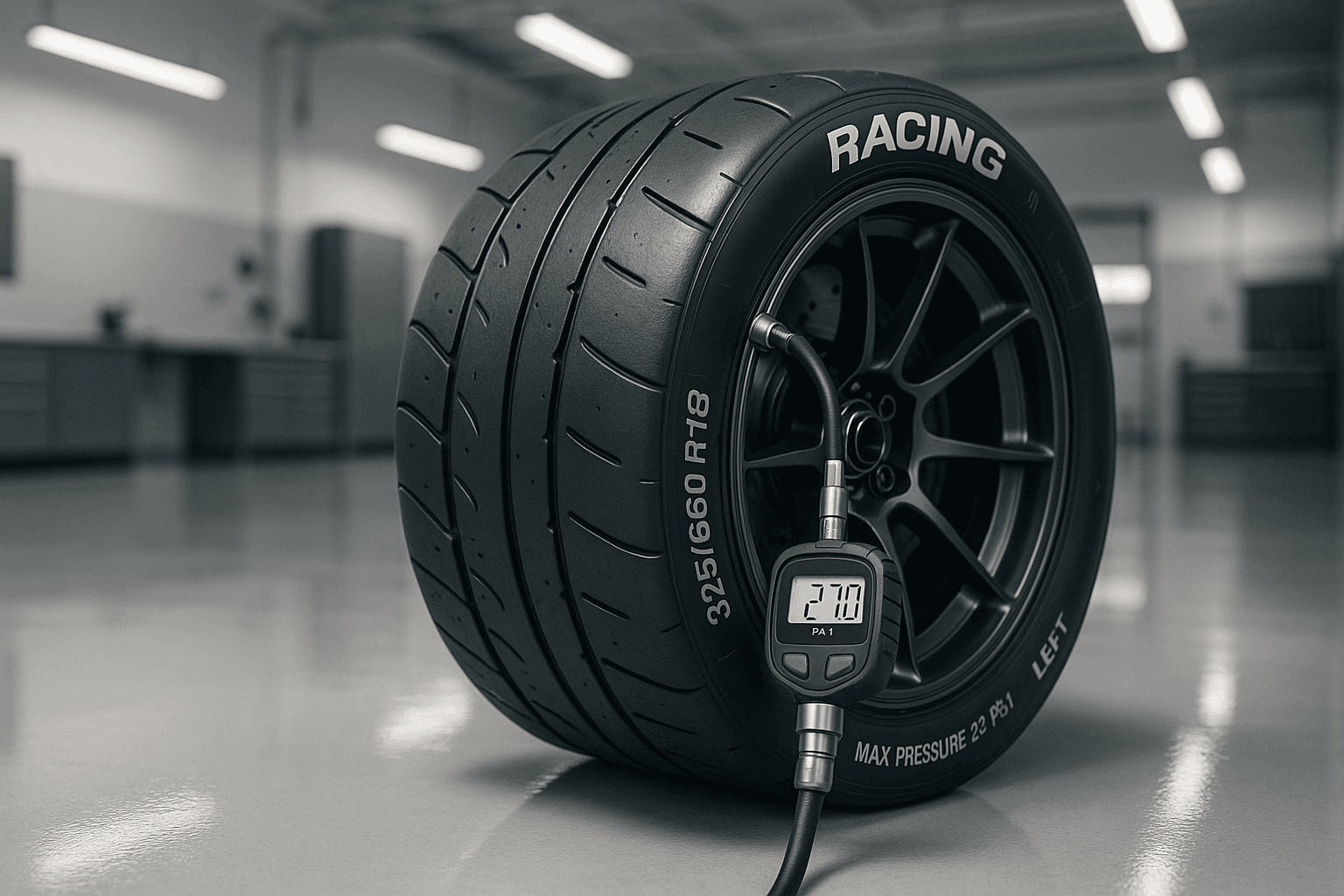
A high-quality tire pressure gauge, TPMS, and data logger are essential.
Conclusion
Tire pressure optimization is a critical aspect of racing setup in Australia. By understanding the factors influencing tire pressure and making data-driven adjustments, you can maximize grip, minimize tire wear, and improve lap times on iconic tracks like Bathurst and Phillip Island. Start optimizing your tire pressures today and take your racing to the next level!
"In Australian racing, the right tire pressure can be the difference between winning and losing."
Actionable Takeaways:
- Always check and adjust tire pressure based on track temperature and surface.
- Monitor tire temperatures to fine-tune pressure for optimal grip.
- Invest in a TPMS and data logger for precise adjustments.
- Test pressure changes incrementally and log results for future reference.